

The plumbing system in your home is a critical aspect of maintaining the workings of your daily life. This small leak can quickly become a costly plumbing repair because things tend to multiply quickly; some minor problems will grow into a bigger hassle without regular maintenance, such as plug drains. The best way to keep your home trouble-free, spend less on your water bills, and avoid surprise plumbing disasters is to have regular plumbing maintenance work done. This guide is a detailed checklist to help you take control of your home’s plumbing needs.
Essentiality of Plumbing Maintenance Work
Every drop of water spared counts towards something. Studies show almost 10% of homes have leaks that waste 90 gallons or more of water daily. This can add up to a considerable cost over time and significantly impact our environment. Neglecting plumbing maintenance can result in water damage, mold growth, and even structural problems. Being proactive extends the life of your plumbing system and goes a long way toward a safe, dry, and comfortable home.
Daily Plumbing Maintenance Tasks
- Inspect for Visible Leaks – Has virtually every home encountered the issue of leaks? Look for puddles or dripping water under sinks, near appliances, or behind faucets. A leaky faucet that drips just once per second wastes more than 3,000 gallons a year. Identifying leaks early reduces waste of water and avoids costly repairs.
- Clear Drains – In fact, your sinks and showers should run water daily to ensure proper drainage. Water that drains slowly may indicate hair, soap scum, or other debris buildup. Do not flush oil, grease, or coffee grounds, which can cause stubborn clogs.
- Check Water Pressure – Check pressure levels with a water pressure gauge. The ideal water pressure is between 40 – 60 psi. High pressure will stress your pipes; low pressure could mean an unnoticed leak or obstruction.
Weekly Plumbing Maintenance Tasks
- Clean Faucets and Showerheads – The vital deposits from hard water will, over time, plug your fixtures. Let showerheads and faucet aerators plunge in vinegar. The acidity of that liquid will dissolve the calcium residue and restore the water flow. All of this also extends the life of your fixtures.
- Test Shut-Off Valves – Shut-off valves are essential to have in an emergency. Run a weekly test of switching them on and off to ensure they are in proper operating order. It also keeps them from freezing up from inactivity.
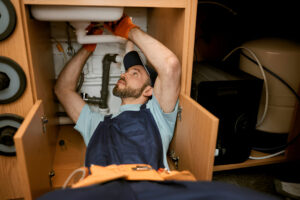
- Inspect Sink Cabinets – Inspect the places under your sinks for dampness, mold, or odd odors. Even a single slow leak can damage a structure or motivate pests.
Monthly Plumbing Maintenance Tasks
- Flush Your Water Heater – Eventually, sediment settles on the bottom of your water heater, lowering efficiency and increasing energy costs. An occasional flush—ideally, once a month—keeps the tank in top working order and extends its lifespan.
- Inspect Pipes for Corrosion – Check exposed pipes for rust or discoloration, which can signal corrosion. Corroded pipes will leak and may require professional assistance.
- Check Toilet Mechanisms – Test the tank’s flapper, chain, and fill valve. A bad flapper can waste hundreds of gallons of water each day. Replace worn-out pieces To avoid letting your water run down the drain.
Seasonal Plumbing Maintenance Work
Winter
- Insulate exposed pipes to prevent freezing and bursting.
- Disconnect garden hoses and drain outdoor faucets.
Spring
- Check outdoor faucets and sprinkler systems for leaks or freeze damage.
- Test sump pumps (if applicable) to ensure they’re functioning ahead of spring rain showers.
Summer
- Greater water use can put a strain on your plumbing. For outdoor hoses, sprinklers, and pools, routinely inspect for leaks.
- Monitor for pipe expansion during high temperatures.
Fall
- Get ready for cooler weather by sealing the gaps around any exposed pipes.
- Remove obstacles that trap water from gutters and other drainage areas so it doesn’t pool by your house.
Signs of Plumbing Issues to Watch For
Newer things can stop working, too, with just routine plumbing maintenance work done. Be on the lookout for these tell-tale signs.
- Persistent Slow Drains – The clog may be deep in the pipes if a plunger or drain cleaner doesn’t work. Several slow drains could point to problems with a sewer line.
- Unusual Noises in Pipes – Banging, gurgling, or whistling sounds can indicate air in the water pipes, pressure problems, or loose components. Taking care of this upfront prolongs wear and tear down the line.
- Sudden High Water Bills – An unexplained increase in your water bill may signal a hidden leak. Check every fixture and pipe for signs of a water deficiency.
Annual Plumbing Maintenance Tasks
- Professional Inspection – A licensed plumber can inspect your system once a year. Experts can detect such problems as weak pipe joints, corroded valves, or blocked sewer lines.
- Water Heater Maintenance – Water heaters are one of the home’s biggest energy consumers. Have a pro check the thermostat, heating elements, and pressure valve to ensure they’re fully operational.
- Septic Tank Maintenance – If you have a septic system, have them inspected and pumped regularly. Blocked or overflowing septic systems can lead to severe home damage.
Preventive Plumbing Practices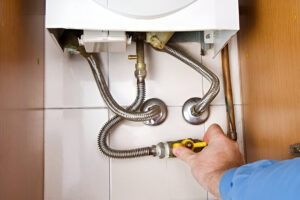
- Use Drain Strainers – Install covers or strainers in sinks and showers to prevent debris, such as hair and food particles, from draining. That will help avoid any clogs building up in your pipes.
- Avoid Chemical Cleaners – Chemical drain cleaners can open clogs quickly but can corrode pipes over time. Opt for natural alternatives, such as baking soda and vinegar, or mechanical tools like a drain snake.
- Dispose of Grease Properly – Under no circumstances can grease or oil be poured down the drain; they solidify and cause blockages. Instead, catch grease in a throwaway container and throw that in the trash.
When to Call a Professional
While some plumbing problems can be tackled, others may need expert intervention. Call a professional if-
- A few drains in your home always need to be more active.
- Your water pressure drops suddenly and inexplicably.
- Your drains or pipes are making unusual sounds or smells.
Go to expert-technician.com for expert services in Dubai. Where skilled professionals can handle all your plumbing needs efficiently and affordably.
Conclusion
Caring for your home’s plumbing system does not have to be complicated. Use this ultimate checklist to help remove the hassle from a solution with minimal interruption to your home. Always remember: Investing time in regular plumbing maintenance is enough to avoid costly repairs and water loss. If you need help, please call expert-technician.com and leave it with the experts. Your home deserves top-notch care, and so do you!
One Response